From Trees to Textbooks: Inside the world of Papermaking
Paper is created by turning plant fibers—usually wood or recycled paper—into a watery pulp, forming that pulp into a thin sheet, removing the water, and then drying and finishing the sheet into usable paper.
About
From Trash to Treasure: How I Fell in Love with Papermaking
By Kim Crowe, Quality Manager & Accidental Paper Enthusiast
I never grew up thinking about how paper was made. Honestly, I don’t think most people do. Paper is one of those everyday things—like running water or electricity—that you just expect to be there when you need it. Not once did I stop to wonder how a cardboard box, or a sheet of copy paper actually comes to life.
That changed the day I walked into a paper mill for the first time.
As a Quality Manager for a global paper manufacturer, my job is to make sure the paper we produce meets the standards required to become something bigger—Amazon boxes, packaging that protects products around the world, and materials that keep supply chains moving. But before I could manage quality, I had to understand the process. And that’s where everything shifted for me.
I was amazed—truly amazed—by what I saw.
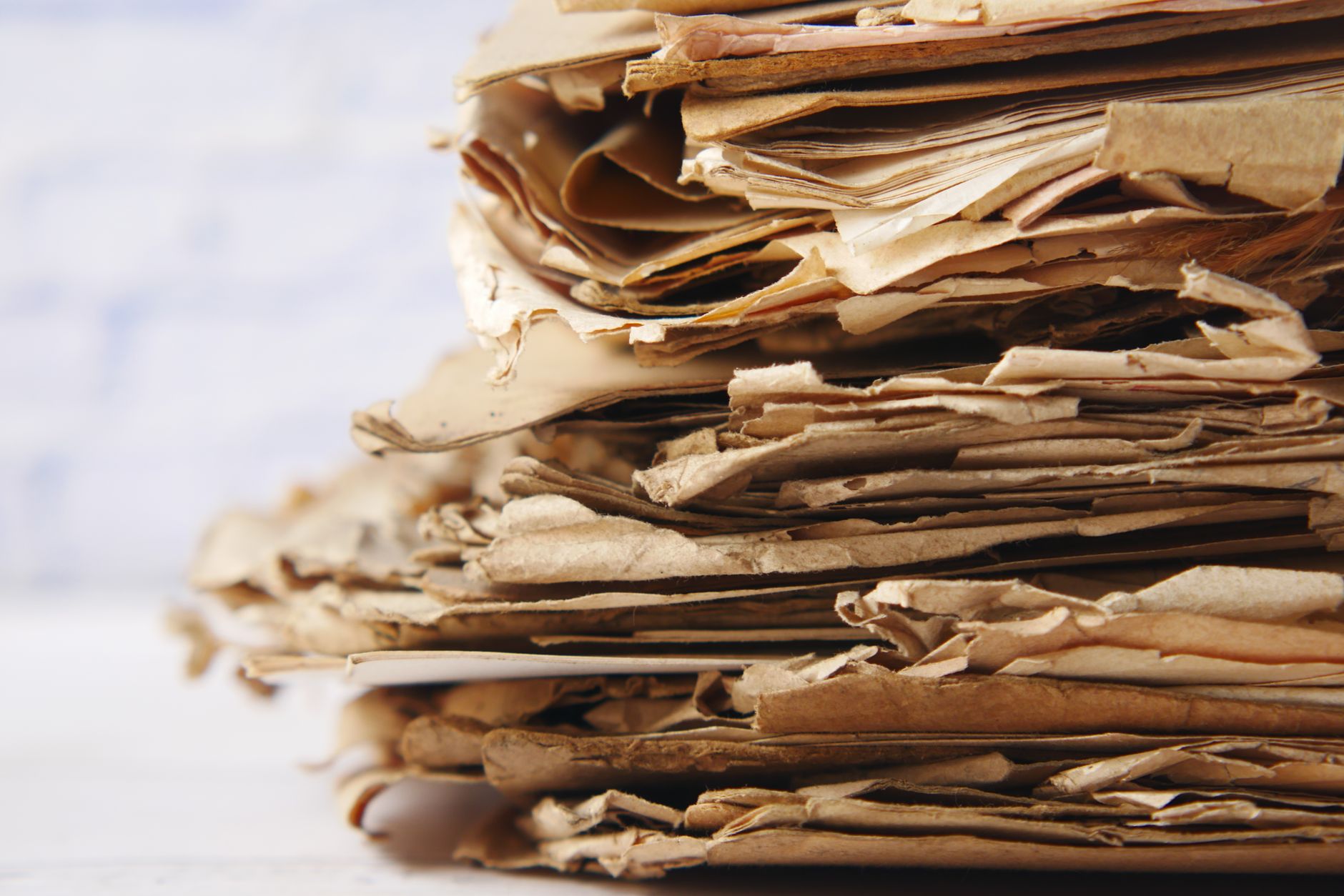
Inside the mill, I watched mountains of what most people would call trash get transformed into something completely new. Old boxes, scrap paper, and recycled fiber were broken down, cleaned, refined, and rebuilt into strong, clean, reliable sheets of paper. It felt like watching alchemy in real time.
There’s something almost poetic about it: taking what’s been discarded and giving it a second life.
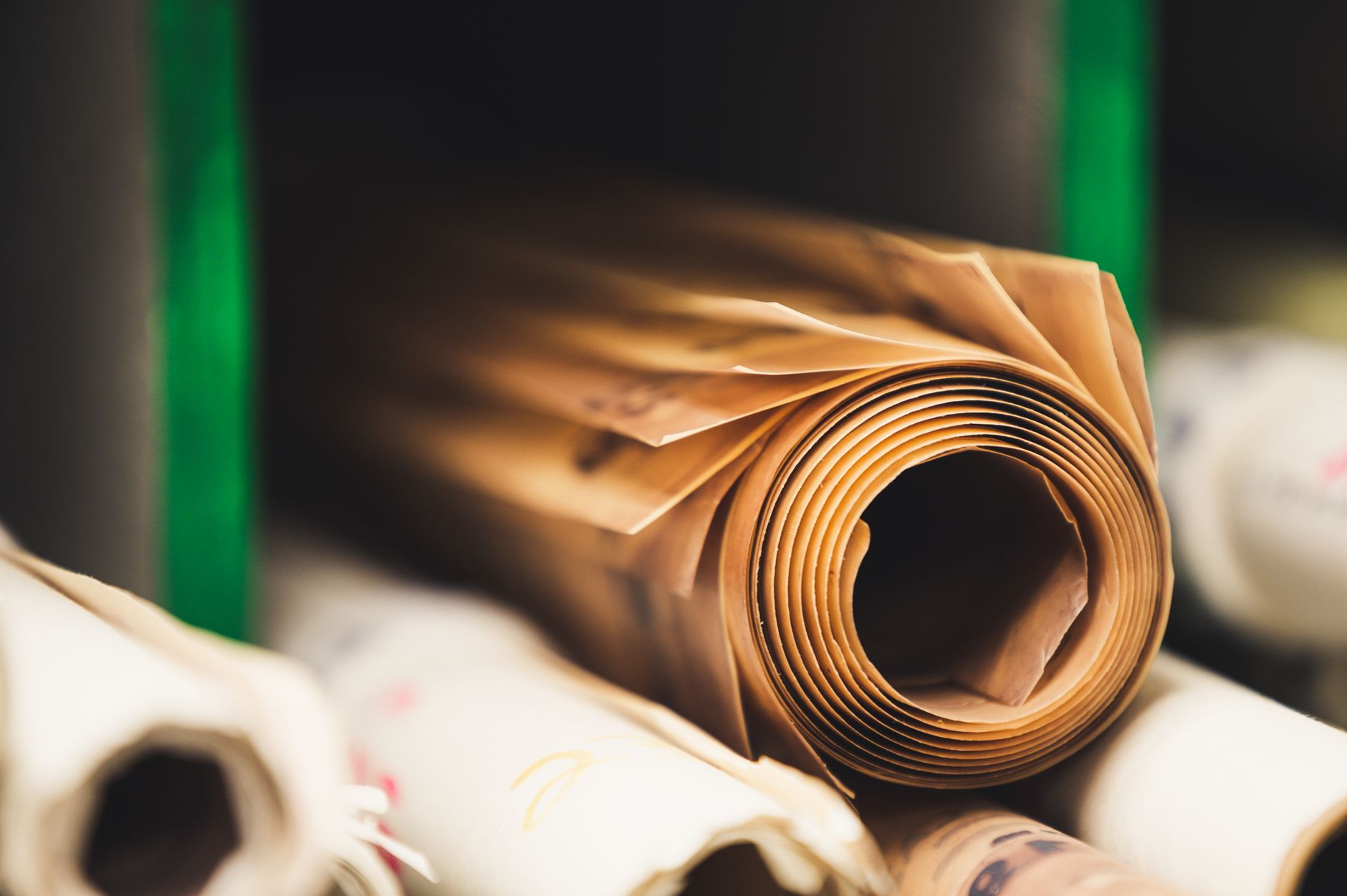
The more I learned, the more fascinated I became. Papermaking is both rugged and delicate, industrial, and artistic. It’s chemistry, engineering, and craftsmanship all woven together. And every day, I get to be part of that transformation—making sure each roll that leaves our mill is something we’re proud of. I never expected to fall in love with the process. But here I am, years later, still amazed that we can take yesterday’s boxes and turn them into tomorrow’s possibilities.
It’s not just manufacturing.
It’s renewal.
It’s reinvention.
It’s proof that even the most ordinary things can have extraordinary stories.